SOSA Workshop – Seminar on the Future of Sustainable Digital Infrastructure in the AI Era – South Korea
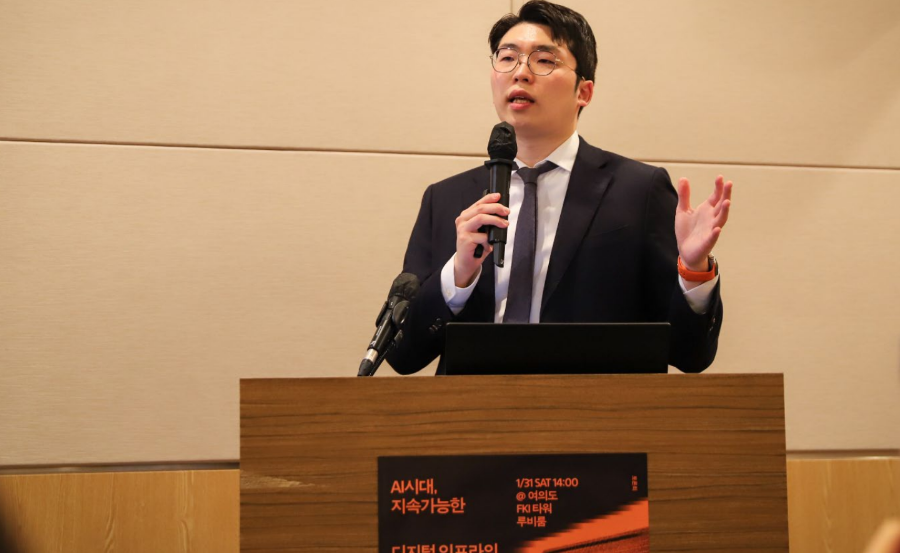
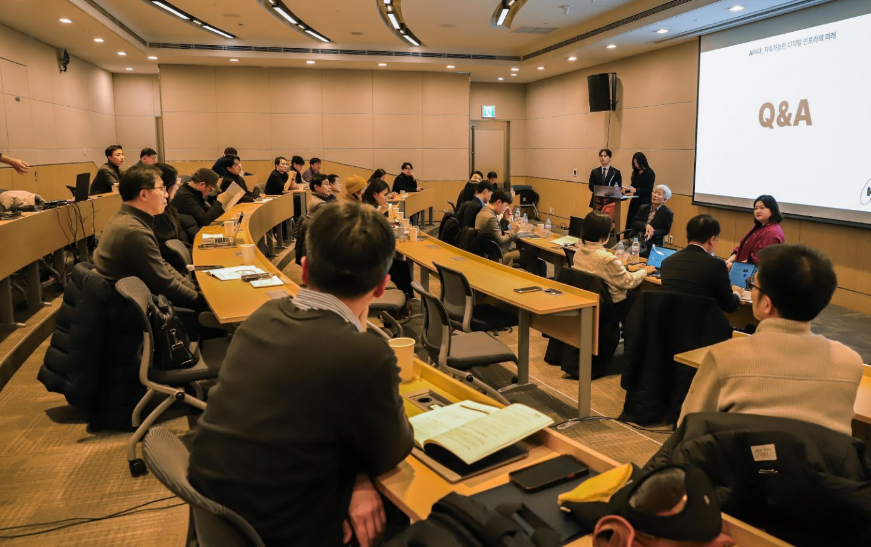
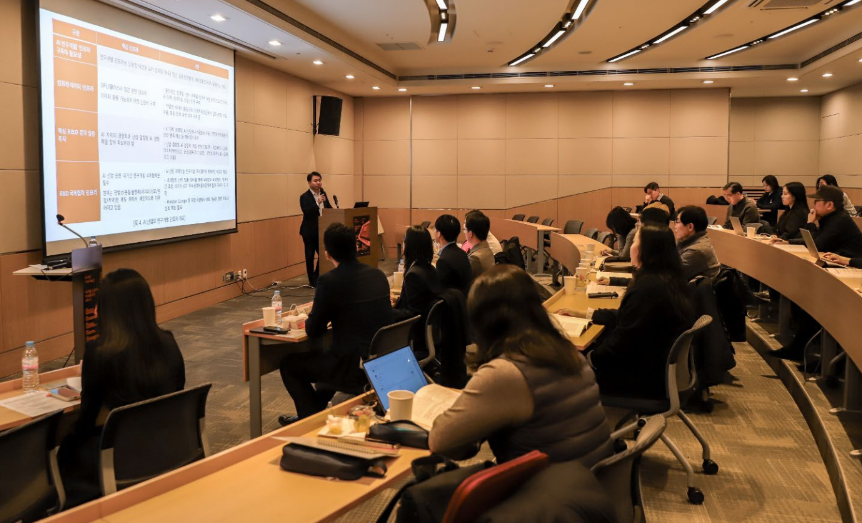
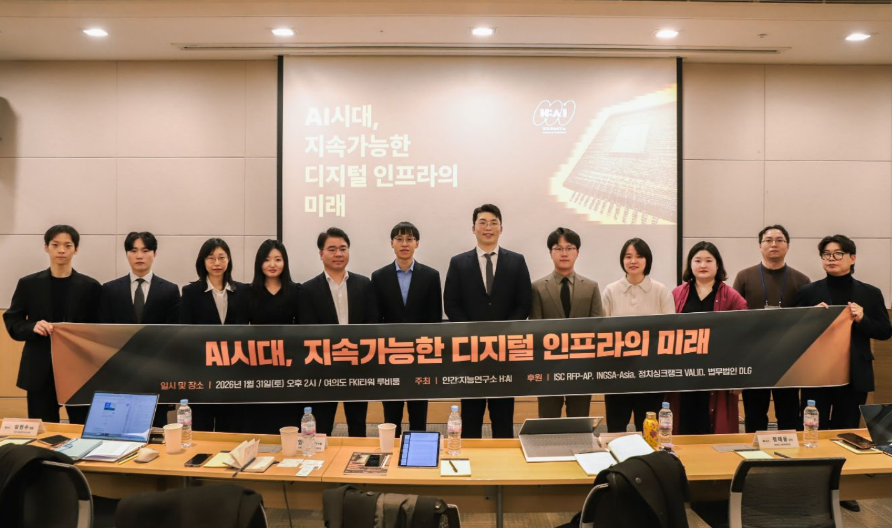
On January 31, 2026, the Human: AI Institute (H:AI) successfully hosted a seminar titled “The Future of Sustainable Digital Infrastructure in the AI Era” at the FKI Tower in Yeouido, Seoul. Supported by prominent organizations including the International Science Council (ISC RFP-AP), the International Network for Governmental Science Advice – Asia (INGSA-Asia), Team VALID, and DLG Law Corporation, the event served as a critical platform for multi-disciplinary experts to discuss the long-term sustainability of the physical systems—data centers and semiconductor facilities—that power the AI revolution.
The seminar opened with a welcome address by Hyunsoo Lim, Chief Executive Director of H:AI, and recipient of Seeds of Science, Asia. He remarked that while rapid investment in AI infrastructure is essential for national competitiveness, it often neglects environmental sustainability, power stability, and community acceptance. Lim noted that the social costs and conflicts arising from massive projects like the Yongin Semiconductor Cluster must be addressed through improved governance and procedural fairness.
In the first session, Heechul An (Advisor to H:AI and Managing Partner of DLG Law Corporation) redefined AI infrastructure as more than just physical hardware. He described it as a complex “Operating System” encompassing technological foundations (computing, data, and models), normative standards (law, ethics, and trust), and diplomatic strategy. An emphasized that establishing transparent resource allocation and international standards is vital for fostering “fast innovation” and “deep trust” in AI industries.
Professor Ah-young Park from the University of Seoul discussed the staggering resource requirements of modern semiconductor manufacturing. She highlighted that the proposed Yongin Cluster would require electricity equivalent to 15 nuclear power plants and water supplies matching the daily consumption of 10 million Seoul residents. Park concluded that the paradigm must shift from technology-centric site selection to “infrastructure carrying capacity,” treating sustainability as a core risk management strategy.
Professor Tae Yong Jung of Yonsei University focused on energy policy, advocating for the “Digital + Green” convergence. He urged the adoption of self-sustaining energy sources, such as Small Modular Reactors (SMRs) and renewable energy with Energy Storage Systems (ESS), to achieve carbon neutrality without sacrificing industrial growth. The legal perspective was provided by attorney Ho Yean Choi from Climate Solutions (SFOC), who identified significant deficiencies in the climate change impact assessment for the Yongin National Industrial Complex. She criticized the omission of indirect emissions and the impracticality of hydrogen-blending targets, calling for a comprehensive review of the project’s carbon footprint.
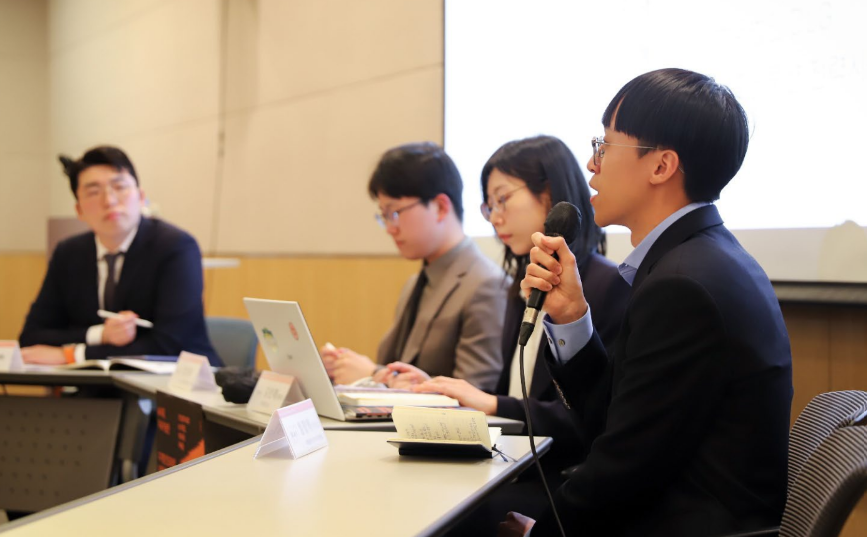
The event concluded with a panel discussion featuring Minjae Kim, Minhye Kim, and Janghyeok Lim. The participants collectively argued that Korea must establish a new governance framework that ensures infrastructure resilience and equitable regional development. By integrating practical industry voices with critical environmental and legal perspectives, the seminar successfully mapped out a path toward a more sustainable digital future.